Crop substitution
Food and industrial hemp as an alternative crop for farmers.
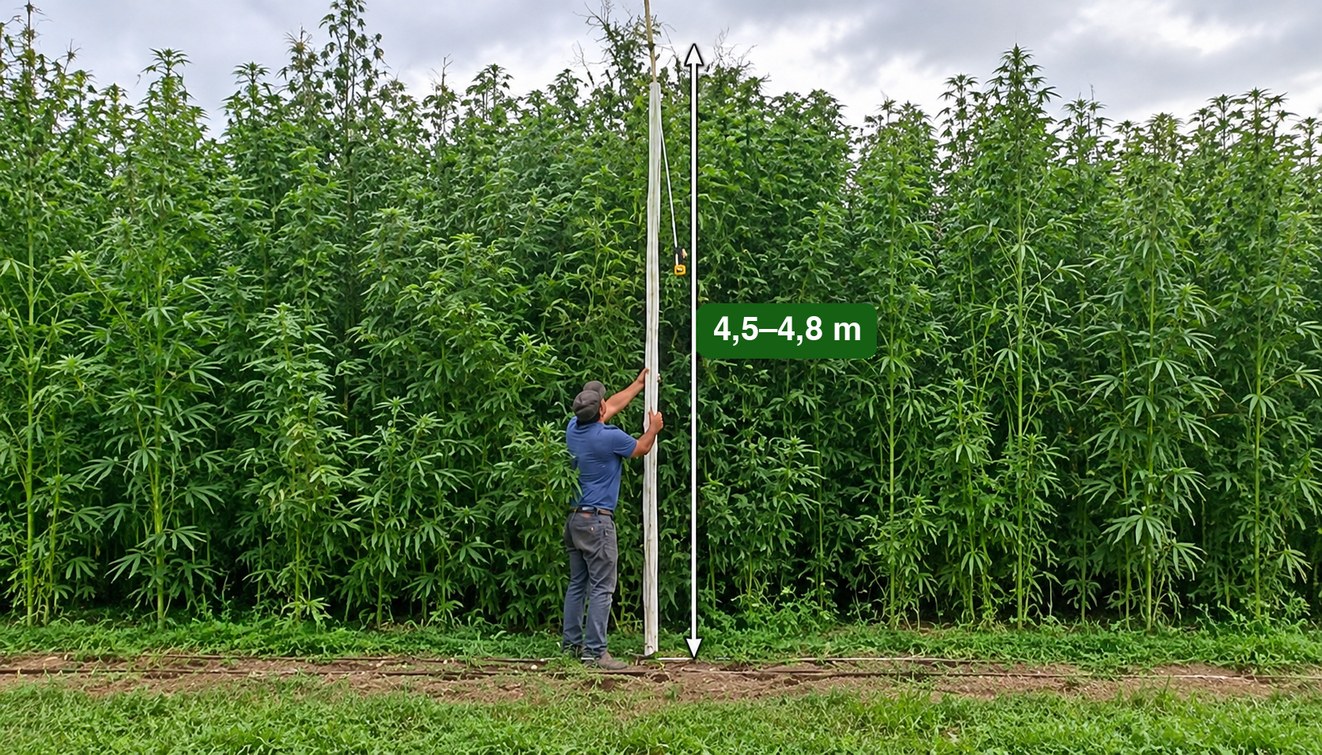
Hemp enriches the soil it grows in. Our work focuses on measuring that benefit in Latin American soils.
Why hemp
Our focus
Food and industrial hemp as an alternative crop for farmers.
Good agricultural practice certifications are advancing, with food security for a growing population in mind.
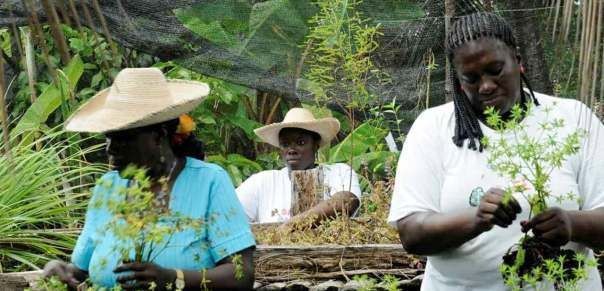
Support for Indigenous and Afro-descendant communities to get licensed and bring harvests to market.
Research priority: analytical methods for CO2 capture and nitrogen fixation, to be endorsed by national and international entities.
Global goals
The project is framed by the United Nations Sustainable Development Goals, including zero hunger, decent work and economic growth, responsible consumption and production, climate action and life on land.
The 17 goals
The project is framed by all 17 goals:
Crop substitution
The National Integral Programs for the Substitution of Crops of Illicit Use aim to support voluntary substitution and help families out of poverty and marginality. The project proposes food and industrial hemp as a viable crop for those growers, with the support they need, and notes that hemp does not require broad-spectrum herbicides.
Food security
The project presents food hemp as a feasible, sustainable crop to help, and as a crop of national interest. Its nutritional hemp is listed at 10 grams of plant protein per 2.5-tablespoon portion, while the Hempo table lists 3 grams per 1 1/2 tablespoons.
For context, the recommended daily protein intake is 0.8 grams per kilogram of body weight: between 56 and 90 grams a day for an average man with little physical activity, and 46 to 75 grams for a woman in the same conditions.
FAO recommendations
Field trial
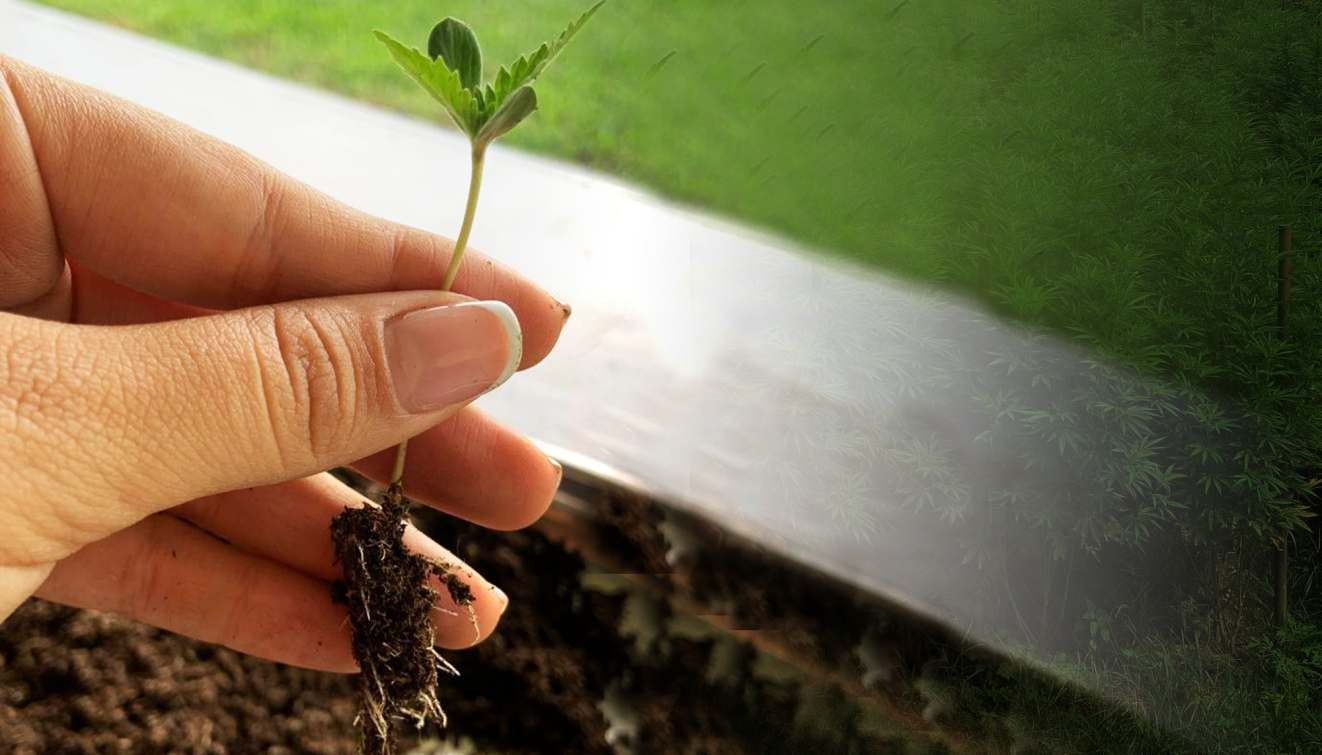
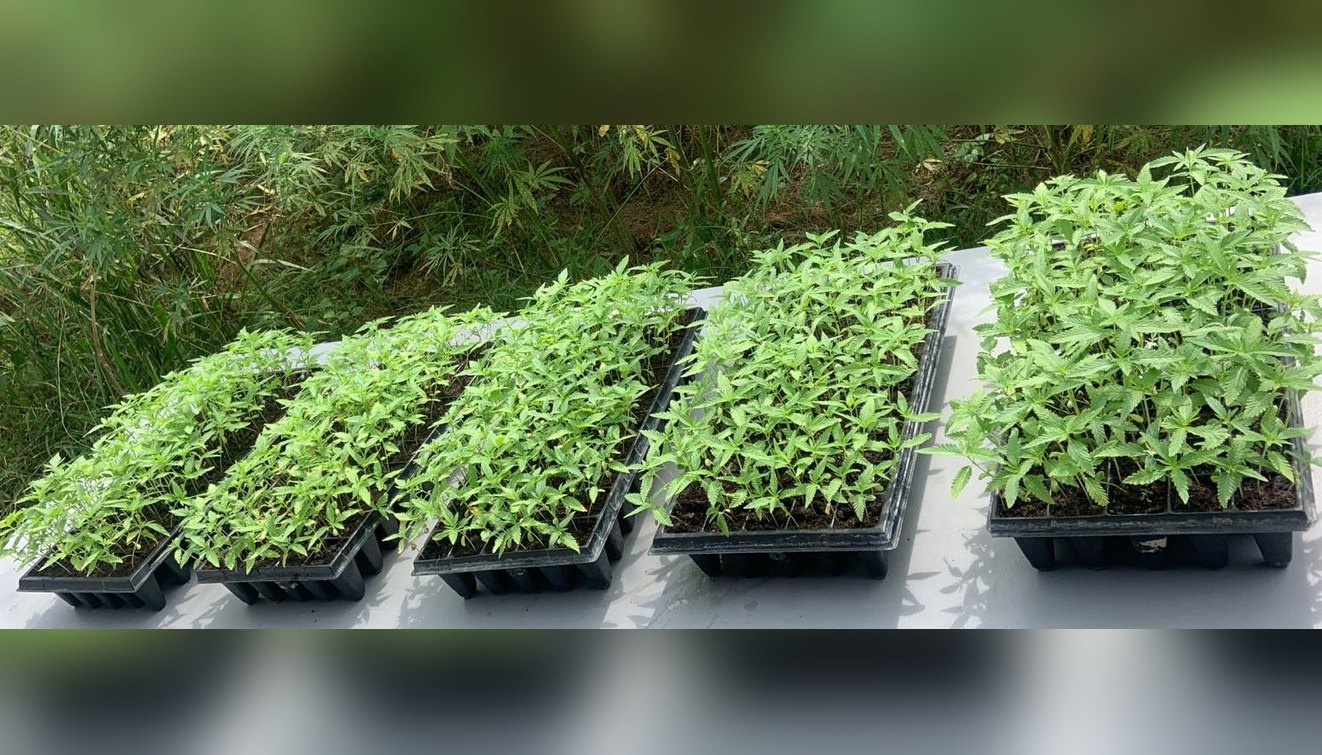
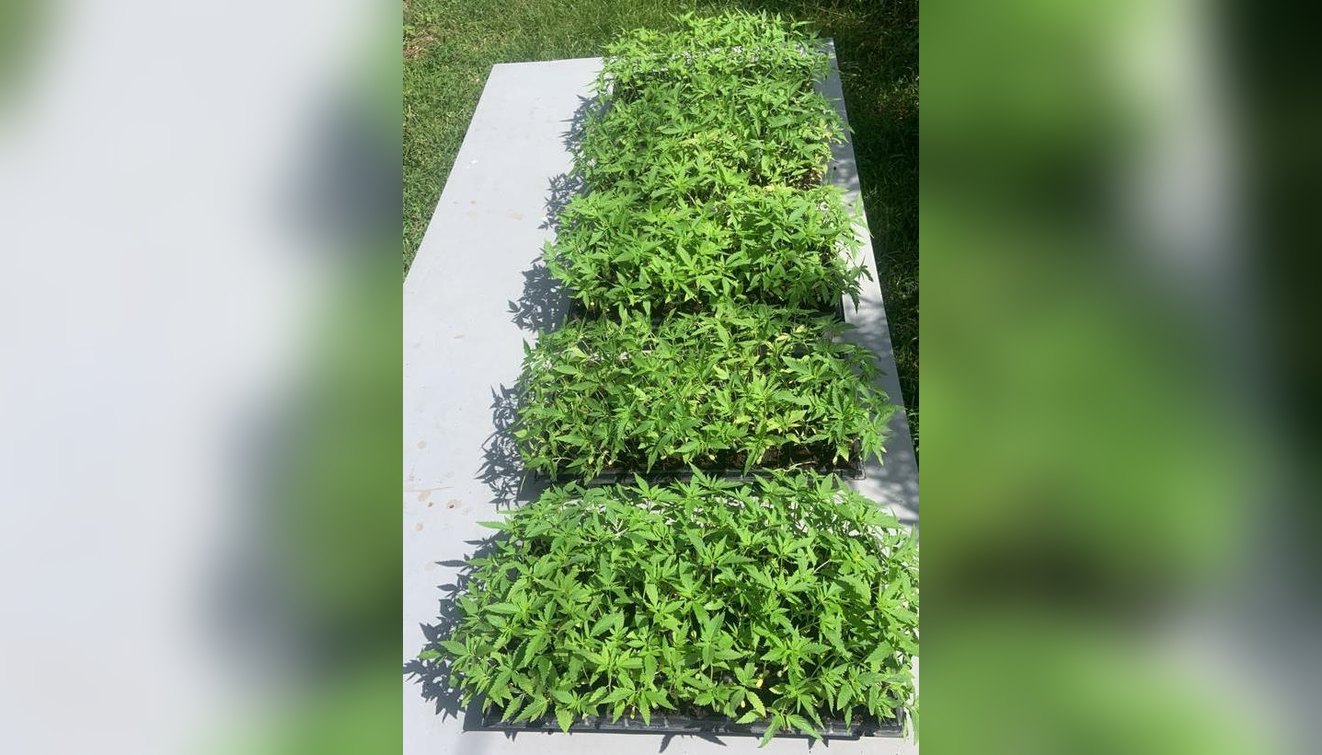
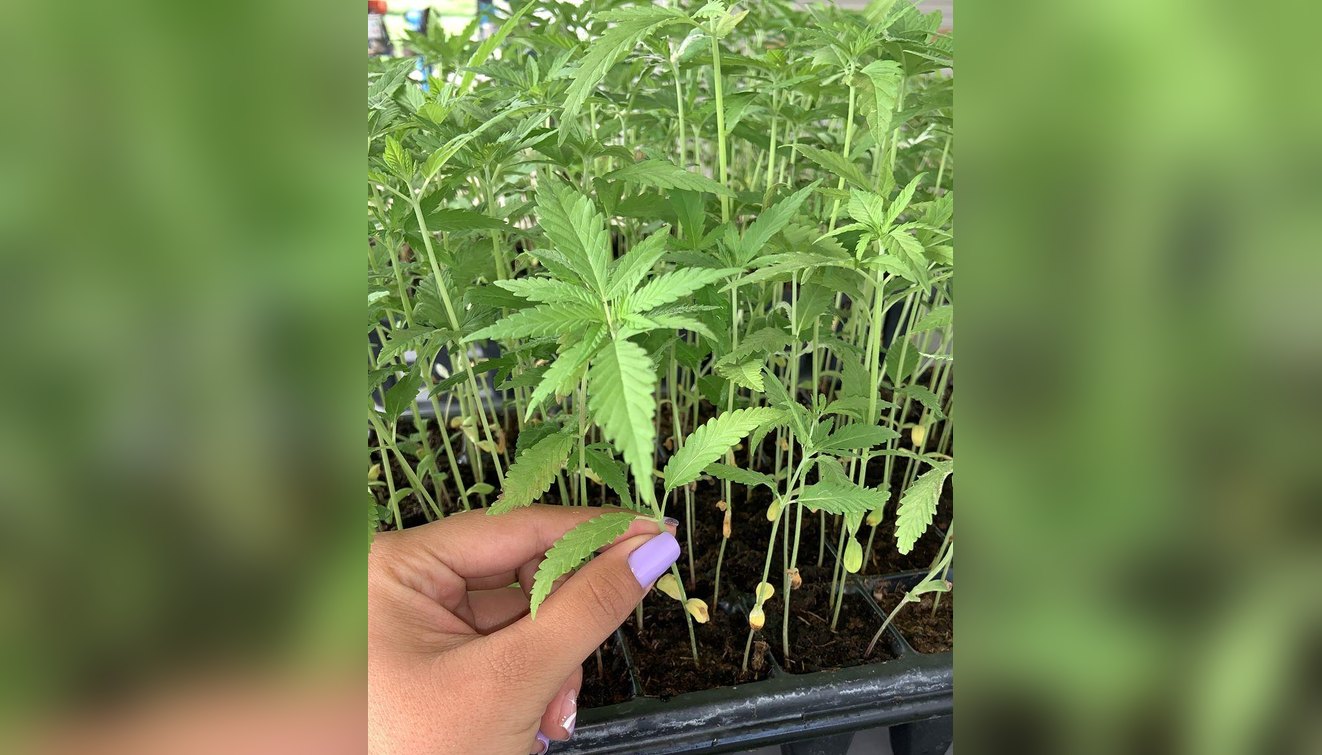
In November 2022 the project sowed hemp microgreens in field trays in Colombia (experiment Jurassic Hemp 008, labelled “Resol ICA 115096”). By day seven each tray had 150 to 200 seedlings. CIAT measured protein at 310 g/kg in microsprouts with dry root and 302 g/kg in dry rootless microsprouts.
FAQ
Hemp stores CO2 while growing, enriches the soil and suits crop rotation. The project studies CO2 capture and nitrogen fixation in Latin American soils.
The National Integral Programs for the Substitution of Crops of Illicit Use support voluntary substitution. The project proposes food and industrial hemp as a viable crop for those growers.
It aims to help Indigenous and Afro-descendant communities obtain licenses to grow food and industrial hemp, with support through every phase of cultivation, training and the future sale of their harvests.
The project presents food hemp as a feasible, sustainable crop to help, and as a crop of national interest.
The project is framed by all 17 UN Sustainable Development Goals, including zero hunger, decent work and economic growth, responsible consumption and production, climate action and life on land.