
Hemp seeds
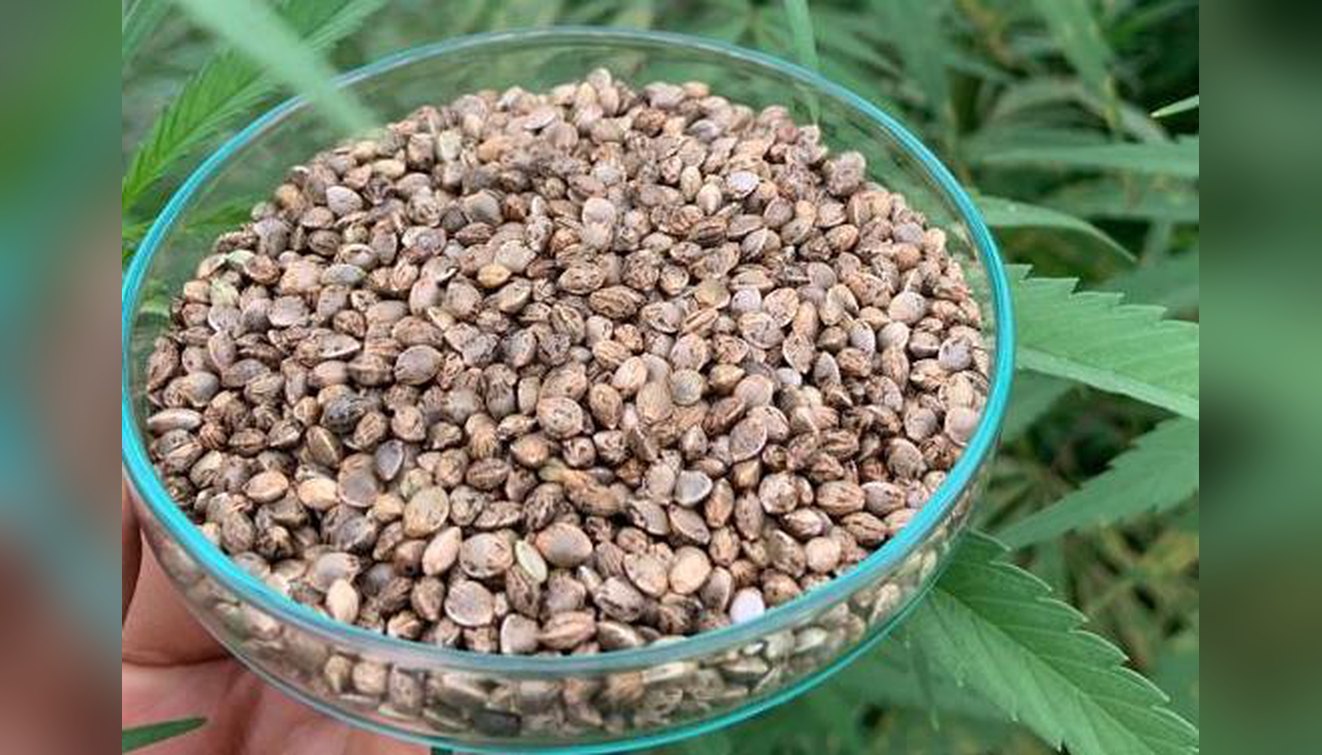
A source of essential fatty acids, essential amino acids and dietary fiber.
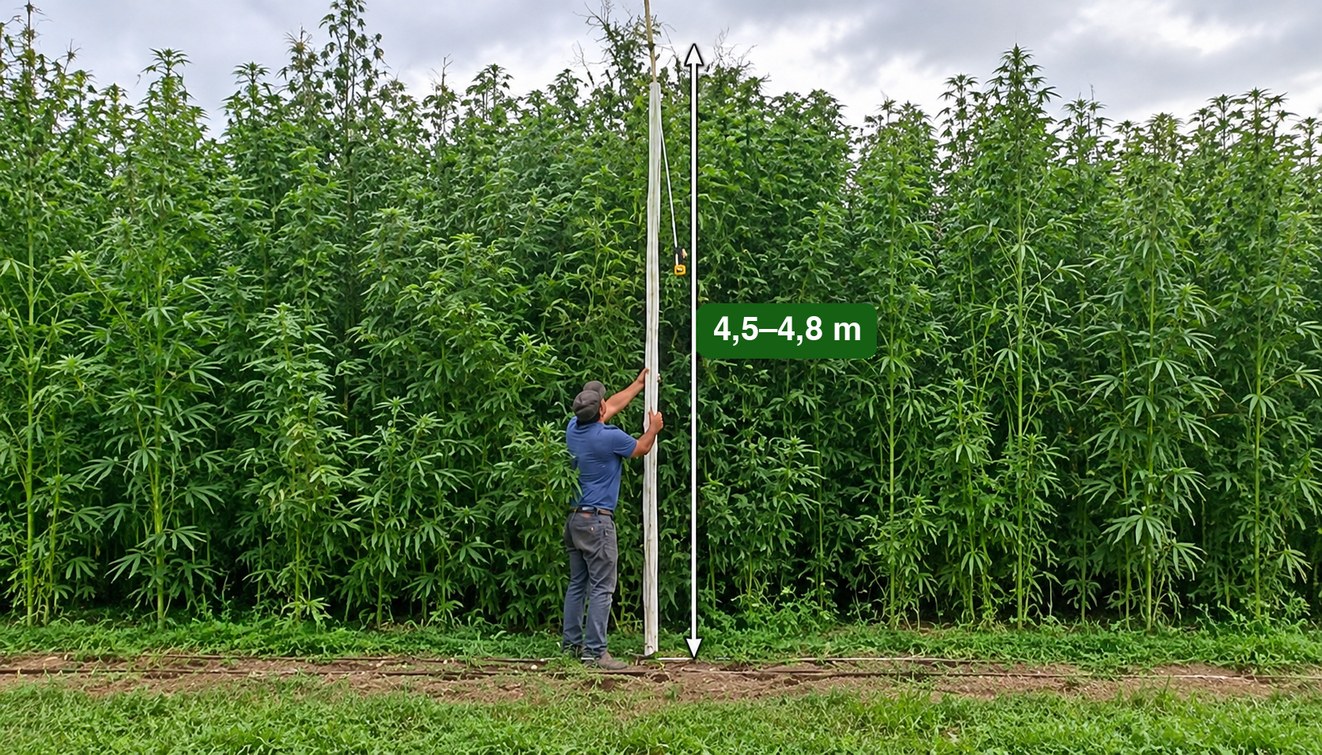
Food and industrial hemp grows fast, enriches the soil and can be used whole. This is what each part of the plant offers.
The plant
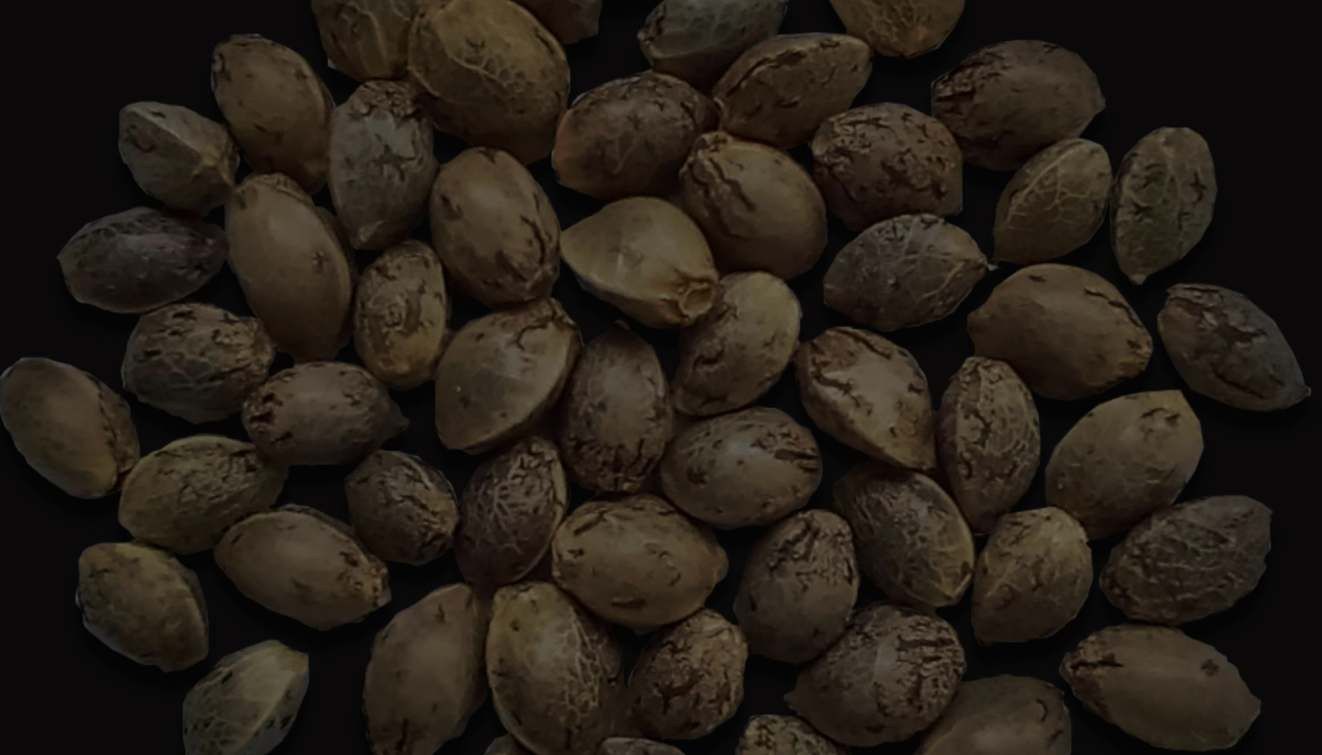
Our genetics contain 32.7% protein and the essential fatty acids Omega 3, 6 and 9. Seeds and seed oil go into nutrition, supplements, animal feed and cosmetics.
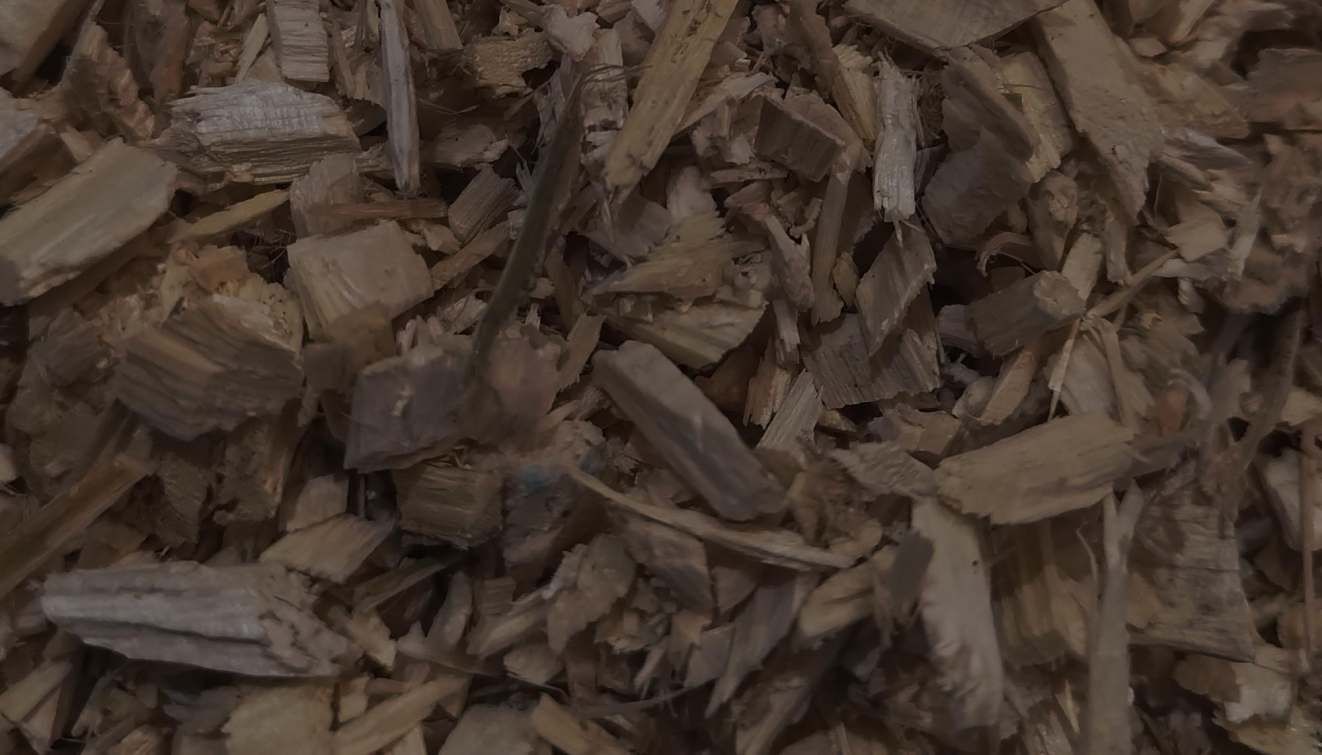
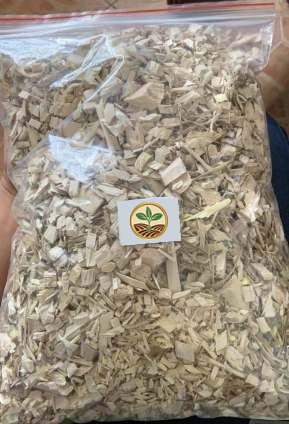
Absorbs water and binds well with lime. Used for paper, animal bedding, horticultural mulch, insulating panels and hemp concrete.
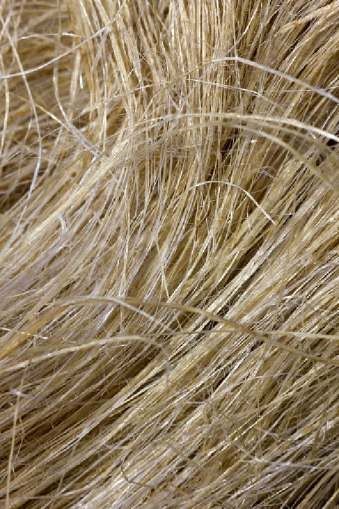
Strong, flexible and light, with good moisture and temperature regulation. Used in textiles, construction and insulation, filters, growing media, automotive and paper.
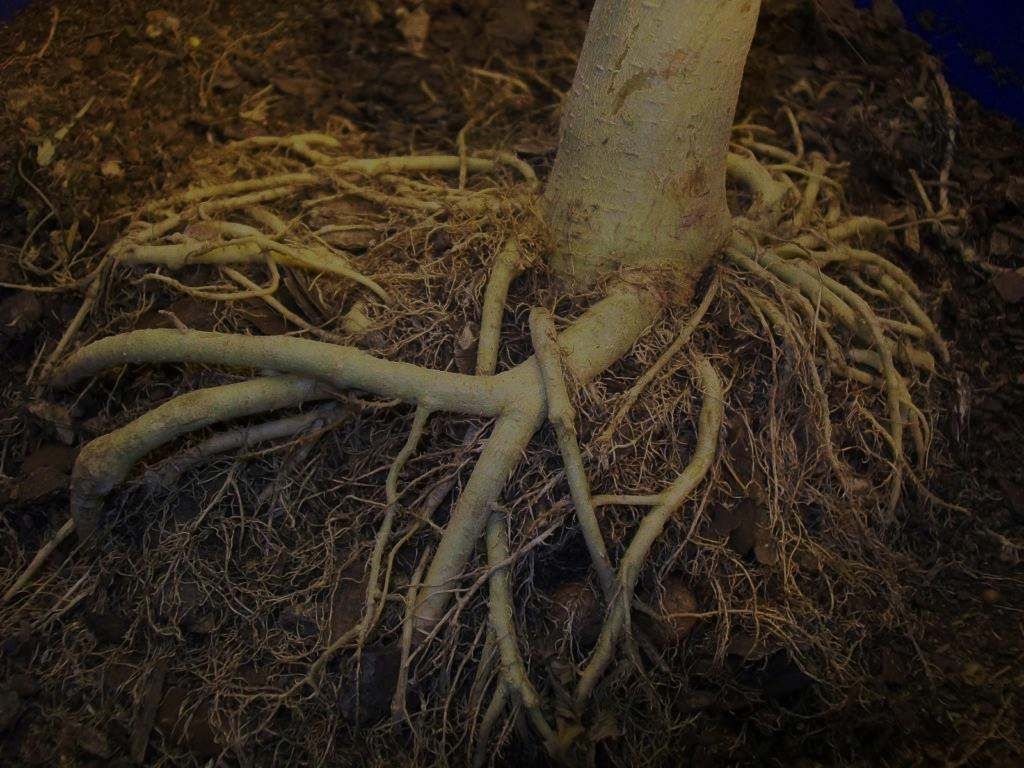
Deep and wide roots improve soil structure and return more to the soil, so more hemp can be grown there. Roots are also used in pharmaceuticals.
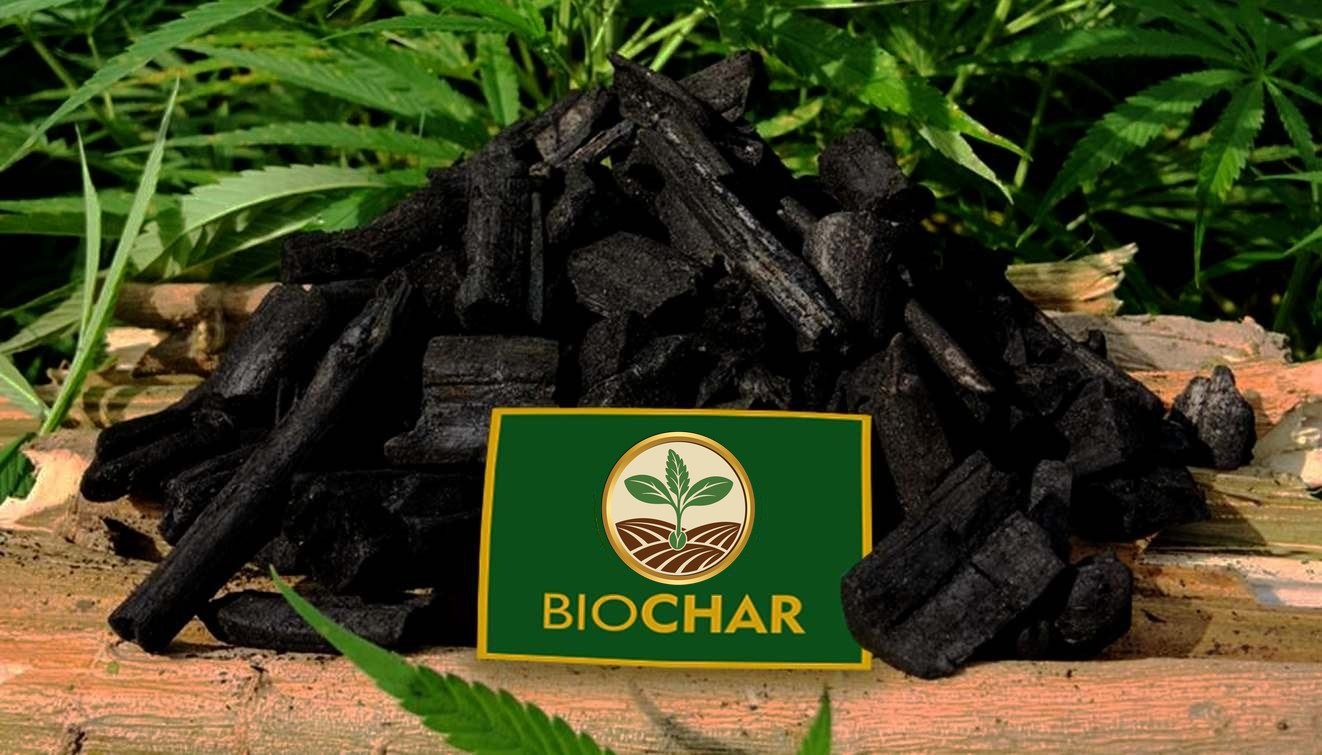
A charcoal made from hemp biomass, with sustainability and environmental advantages over pine, eucalyptus and mineral coal.
Food
Hemp food products the project is working toward:
A source of essential fatty acids, essential amino acids and dietary fiber.
Pressed from the seeds. It consists of 75 to 80% polyunsaturated fatty acids.
Made from crushed hemp seeds, a plant protein source.
Building
Materials used for building:
Lightweight blocks whose thermal properties remove the need for a cavity wall.
Highly insulating board for external wall insulation and roof construction.
Insulating material suited to thermal and acoustic insulation of ceilings, walls and floors.
A non-woven filter with elasticity and high acoustic absorption.
Industry
Hemp fiber, with a supplement of biodegradables, can stand in for plastic, cotton, wood, steel and synthetics, in products from clothing and paper to tableware, car parts and furniture. Hemp automotive interior parts are lighter than fiberglass, and lighter and more durable than steel and will not rust; hemp paper lasts far longer than tree paper; and hemp needs virtually no pesticides, unlike cotton.
Paper and materials
Its hemp cellulose is well suited to paper and uses on average about 10,000 liters of water per ton, against about 66,000 liters per ton for pine paper, given its lignin levels. Its short fiber goes into nanocellulose for construction applications.
Animals and gardens
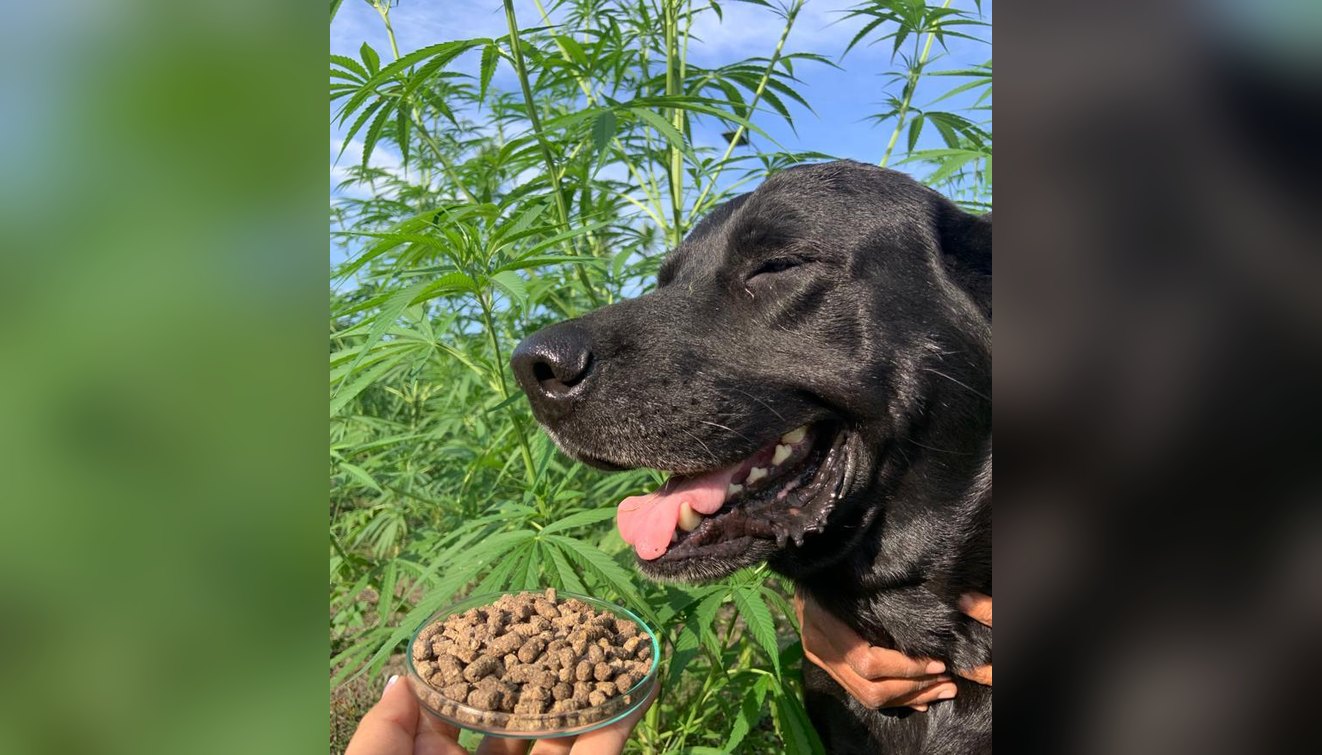
With the protein content of our genetics, hemp suits livestock concentrates as a substitute for fishmeal or corn as a protein source.
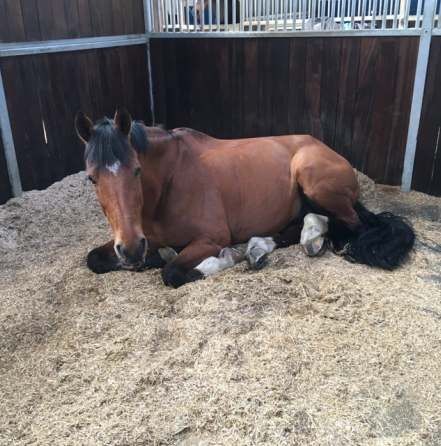
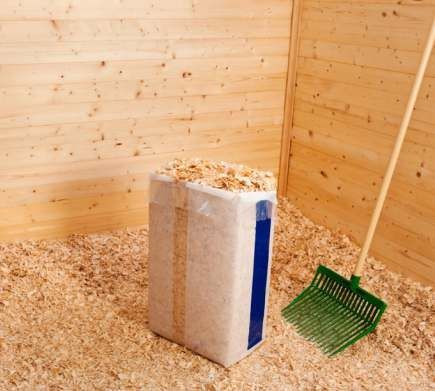
Dust-free, absorbent, cushioning, compostable bedding from short hemp fiber, for horse stalls and other enclosures.
Natural products from hemp fiber for any garden size, from farmland to balcony planters, that add to the nutrients in the soil.
Hempo
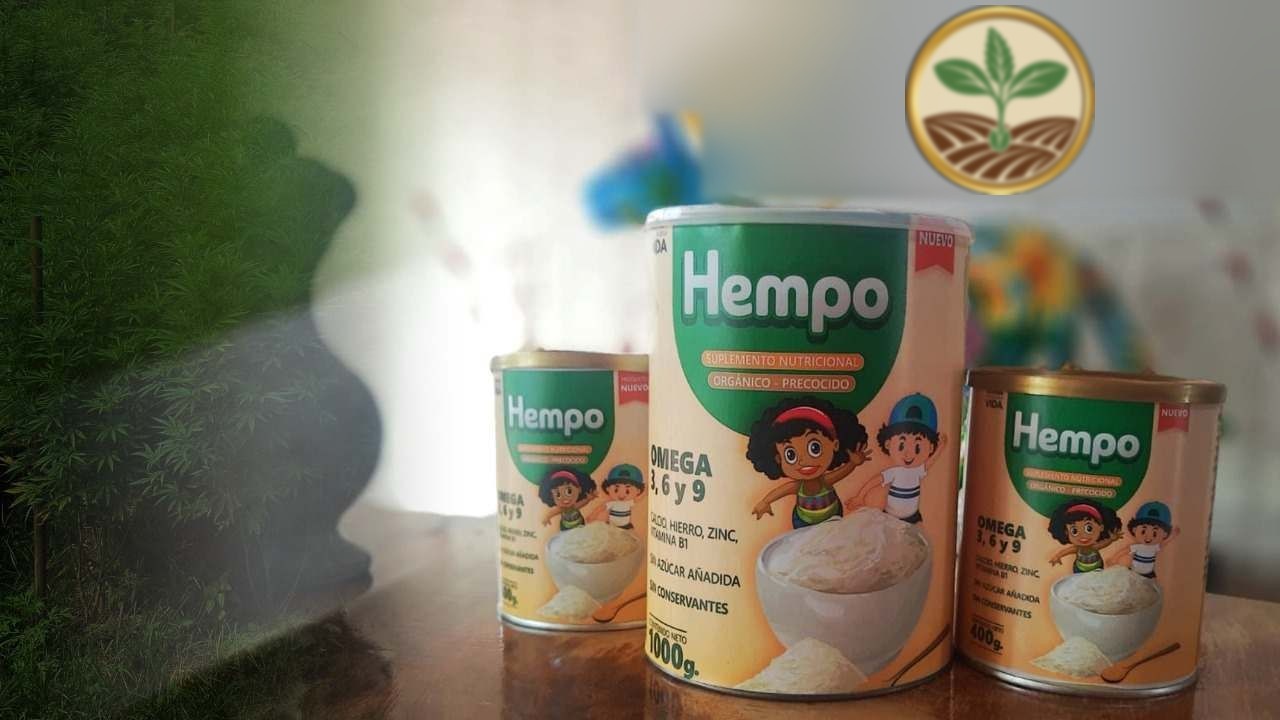
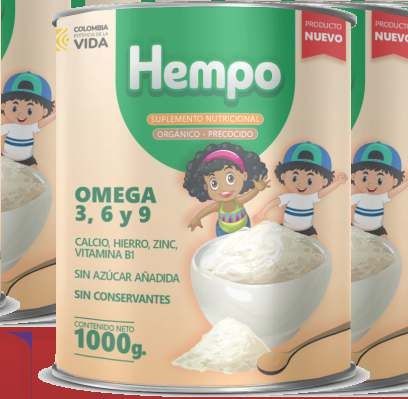
Hempo is the project's precooked nutritional supplement made from hemp seed protofiber (66% of the product), with Omega 3, 6 and 9. It is meant to be boiled for up to 5 minutes and used in soups, creams, desserts, breads, pastries, juices and drinks.
CBD products
Tropical Hemp also has a line of CBD products, including CBD isolate and distillate, that from 2027 will be exported to Brazil and European countries. The company does not work with hemp flower.
Hempo benefits
A supplementary energy source and nutraceutical. Medical supervision is recommended.
Nutrition
Serving size: 1 1/2 tablespoons (15 g), compared with Bienestarina. Vitamin and mineral percentages are based on the diet of children older than six months and younger than 4 years, and are the same for both.
| Per 15 g | Hempo | Bienestarina |
|---|---|---|
| Protein (g) | 3 | 3 |
| Polyunsaturated fat (mg) | 55 | 0 |
| Alpha-linolenic acid, omega 3 (mg) | 22 | 15 |
| Trans fat | 0 | 0 |
| Dietary fiber (g) | 3.9 | 2 |
| Sugars (g) | 0.9 | 1 |
| Total carbohydrates (g) | 8 | 10 |
| Protein (% daily value) | 17% | 17% |
| Vitamin A / C (% daily value) | 40% / 20% | 40% / 20% |
| Calcium / Iron (% daily value) | 30% / 15% | 30% / 15% |
| Vitamins B6, B12 and folic acid (% daily value) | 50% each | 50% each |
| Vitamins B1 / B2 / Niacin (% daily value) | 40% / 35% / 35% | 40% / 35% / 35% |
| Vitamin D / Phosphorus (% daily value) | 25% / 25% | 25% / 25% |
| Zinc / Copper (% daily value) | 50% / 50% | 50% / 50% |
Figures from the product tables.
Biochar
The project compared four charcoal sources: pine, eucalyptus, mineral charcoal and hemp biochar from Tropical Cannabis. Its analysis concludes that hemp biochar is the stronger option on sustainability and environmental benefits. Mineral coal has a higher heating value, but its long-term use is unsustainable and more harmful to the environment.
Biochar
A comparison of hemp biochar with pine charcoal, eucalyptus charcoal and mineral coal.
| Measure | Hemp biochar | Pine charcoal | Eucalyptus charcoal | Mineral coal |
|---|---|---|---|---|
| Higher heating value (BTU/lb) | 12,712 | 8,500 | 9,500 | 14,000 |
| Fixed carbon (% by weight) | 72.5 | 80 | 85 | 62.8 |
| Ash (% by weight) | 11.04 | 5 | 3 | 17 |
| Sulfur (% by weight) | 0.11 | 0.5 | 0.5 | 2.2 |
| SO2 emitted (kg per ton burned) | 2 | 9 | 9 | 40 |
| CO2 emitted (tons per ton burned) | 2.18 | 2.9 | 3.1 | 2.3 |
Figures from the project's own comparison and laboratory results. The hemp biochar heating value is on a dry basis (as received it is 9,290 BTU/lb). Mineral coal has a higher heating value, but it is a non-renewable fossil fuel. The project concludes that hemp biochar is the better option for sustainability.
Applications
Glossary
Bioplastics
The first plastics were made from organic materials such as cellulose. Bioplastics have regained interest for their environmental benefits: they are not made from fossil fuels, are mostly biodegradable, and they do not release carbon dioxide when they decompose. Hemp also improves the quality and performance of the products that contain it.
FAQ
Seed and seed oil go into food, nutrition, animal feed and cosmetics. The woody core (hurd) goes into paper, animal bedding, mulch, insulation panels and hemp concrete. Long fiber goes into textiles, construction, filters and more. The roots improve soil structure.
The project's seed genetics contain 32.7% protein.
Hempo is the project's precooked nutritional supplement made from hemp seed protofiber, which is 66% of the product, with Omega 3, 6 and 9. It is meant to be boiled for up to 5 minutes and used in soups, desserts, breads and drinks.
Hemp biochar is a charcoal made from hemp biomass. The project compared it with pine, eucalyptus and mineral coal and concludes it is the better option for sustainability.
Tropical Hemp has a line of CBD products, including CBD isolate and distillate, that from 2027 will be exported to Brazil and European countries. It does not work with hemp flower.